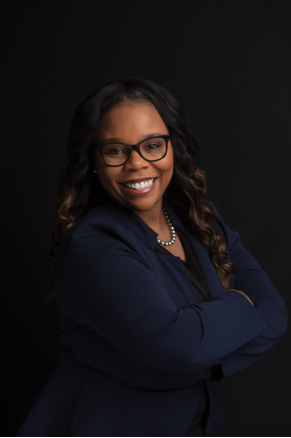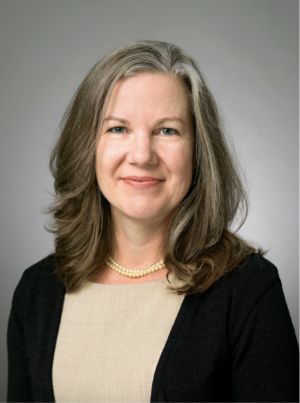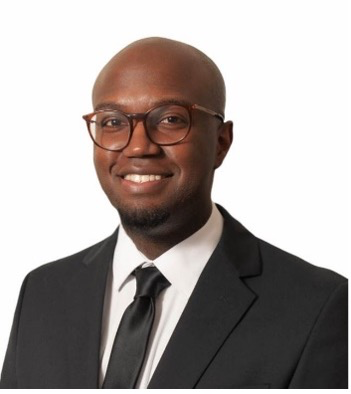

Rebecca B. Knight, Esq. is a lawyer, mediator, and retired North Carolina District Court Judge, offering arbitration and mediation services to private citizens, governmental entities, litigants, and attorneys throughout Western North Carolina. Over her distinguished career, Judge Knight has combined deep judicial, legal, and human services experience to bring fairness, compassion, and insight to complex disputes. She served for 22 years on the District Court bench, including six years in Unified Family Court, where she was a catalyst for legal and judicial innovation in Buncombe County.
Prior to her judicial appointment, she held positions as Assistant District Attorney and Assistant County Attorney for Buncombe County, and she also practiced privately as both an associate and partner in law firms in Asheville and Black Mountain. A Certified Family Financial Mediator and Certified Superior Court Mediator, Judge Knight has been providing mediation and arbitration services since 2012, drawing on her extensive background in family and juvenile law to help parties reach equitable resolutions. Her expertise is further strengthened by more than 30 years of experience in child welfare and broader human services law, including deep knowledge of statutes, policies, and courtroom practices affecting children, families, and vulnerable adults. Judge Knight’s judicial and human services experience make her a trusted resource for attorneys and agencies navigating complex family and social service matters. She has also served on the North Carolina Dispute Resolution Commission, the Judicial Standards Commission, and the Pattern Jury Instruction Committee, and she remains active in community service through organizations supporting youth, families, and victims of abuse.
Her career reflects a lifelong commitment to justice, collaboration, and the well-being of North Carolina’s families and communities. Beyond her judicial and mediation work, Judge Knight has been a steadfast advocate for social justice, equitable access to the courts, and the protection of vulnerable populations. Her leadership has influenced policy, advanced trauma-informed and family-centered approaches within the legal system, and inspired a generation of attorneys and human services professionals to center fairness and humanity in their practice. Through her service on statewide commissions, local boards, and community initiatives, she has contributed to meaningful legal and social reforms that continue to shape the culture of North Carolina’s courts and strengthen trust between the justice system and the communities it serves. Her legacy extends beyond the bench – rooted in mentorship, reform, and a deep belief that the law can be both principled and compassionate.